

Gutter Guards: The Real Pros and Cons for Wichita Homes
November 5, 2026
•
Written By
Versacon Roofing & Construction
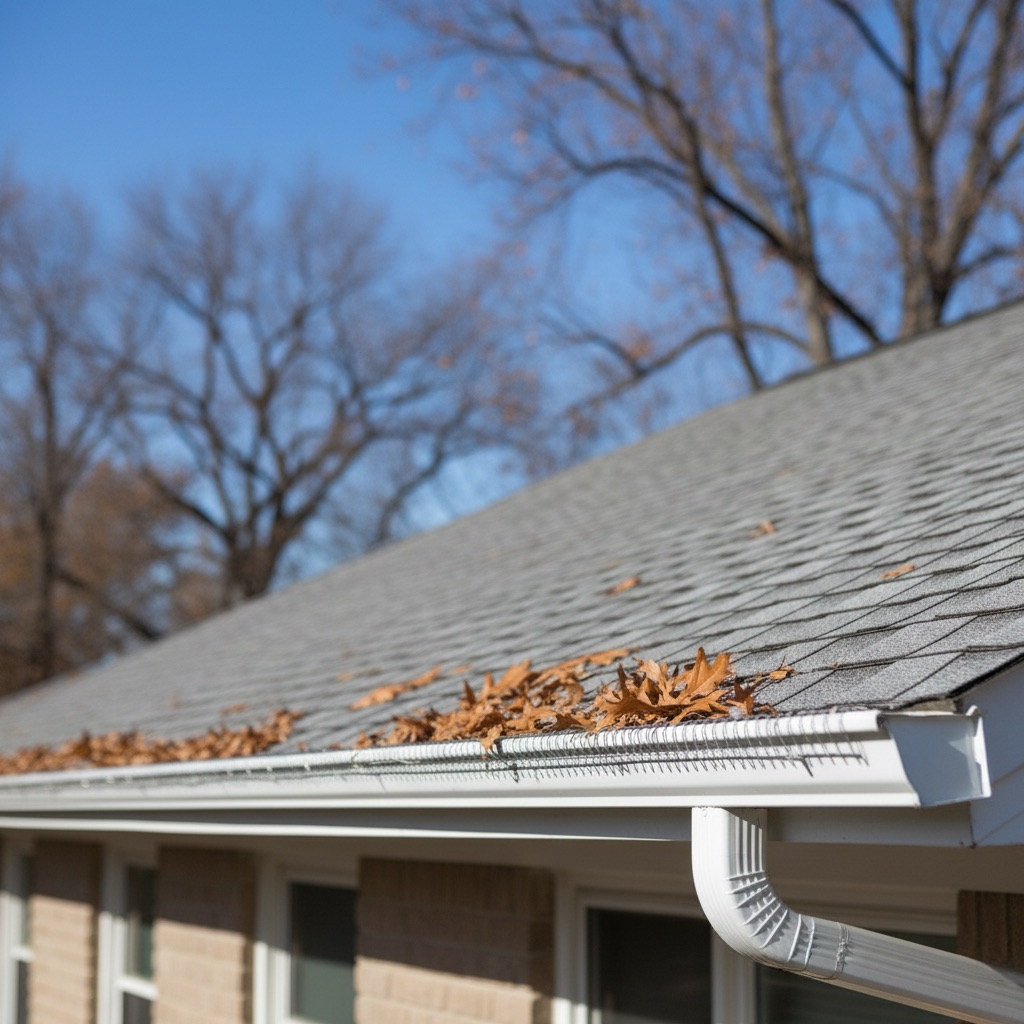
Gutter guards are worth it for most Wichita-area homes with trees close to the roof, because they cut down how often leaves and seeds clog the gutters, but they are not maintenance-free and the wrong style can overflow in a hard Kansas downpour. The real gutter guards pros and cons come down to three things: what falls on your roof, how your gutters are built, and how much ladder time you want each year.
Around Wichita, Mulvane, and the rest of South Central Kansas, fall is when this question comes up most. Trees drop a season's worth of debris in a few weeks, and the same gutters then face winter freeze and thaw and a stormy spring. Below, we cover what guards do well, where they fall short, which styles suit which homes, and the prep work that decides whether a guard performs.
Key Takeaways
The short version:
- Gutter guards reduce how often you clean your gutters, especially under large leaves, but fine debris like cottonwood fluff, pine needles, and shingle grit can still build up on or under some guard styles.
- Fine mesh guards keep out the most debris, while screens and inserts cost less but clog sooner. Surface-tension guards can shed water past the gutter in very heavy rain.
- A guard only works on a gutter that is already sound: correct pitch, tight hangers, no leaking seams, and downspouts that carry water well away from the foundation.
- Guards do not prevent ice dams on their own. Attic insulation and ventilation matter more, and a guard that traps snow can make icicles worse on some roofs.
What Are the Main Gutter Guards Pros and Cons?
A gutter guard is any cover, screen, or insert that lets water into the gutter while keeping larger debris out. Here are the gutter guards pros and cons most homeowners should weigh.
The pros
Installed on a sound gutter, guards deliver:
- Fewer cleanings. Leaves that would pack the trough instead sit on top of the guard, where wind and rain move much of it off the roof edge.
- Less ladder work. For a lot of homeowners, especially on two-story houses, the biggest benefit is simply climbing up less often.
- Fewer clogged downspouts. Most backups start where a wad of leaves jams the downspout outlet. Guards keep most of that material out.
- Less standing water in the trough. Clean gutters drain faster and hold less weight, which is easier on hangers and fascia boards.
The cons
The drawbacks are just as real:
- Not maintenance-free. Every style still needs an occasional check, and some need debris brushed off the top a couple of times a year.
- Fine debris gets through or sticks. Seed fluff, pine needles, and asphalt granules can mat on mesh or slip past wider screens.
- Heavy rain can overshoot. In a fast, hard storm, some guard designs let water sheet past the gutter instead of into it.
- Harder to clean when they do clog. Removing and reseating guards to clear a trough takes longer than scooping an open gutter.
- Cost. Guards add to the price of a gutter job, and the better-performing styles cost the most.
So do gutter guards work? Yes, for the job they are designed to do. They are a debris filter, and like any filter they need the right mesh for what is landing on them.
Do Gutter Guards Really Work With Kansas Trees?
Whether gutter guards really work on your house depends largely on what grows over it, and Kansas trees drop several very different kinds of debris.
The cottonwood is the official state tree of Kansas, and anyone who lives near one knows the late spring "snow" of cotton-covered seeds. That fluff is light enough to float onto any roof and fine enough to mat across a mesh guard like felt. Broadleaf trees such as oaks, elms, and maples drop large leaves in the fall, which almost every guard style handles well. Evergreens shed needles that can slide through screens and stand upright in the openings, slowly building a mat.
In practice, that means:
- Mostly big leaves: nearly any well-installed guard will make a noticeable difference.
- Cottonwood, pine, or both: a fine mesh style is the better match, and you should still plan on brushing the top surface after the seed and needle drop.
- Older roofs shedding granules: grit can collect under guards over time, so an annual look inside the trough still matters.
Older neighborhoods with mature shade trees, the kind we see often as a roofing contractor in Winfield, KS, tend to see the biggest benefit from guards, and the biggest need to pick the right style.
Which Type of Gutter Guard Fits Your Home?
There are four broad families of gutter guards. Each one has its own balance of cost, filtering, and upkeep, and none is the best choice for every roof.
Screens
Screens are perforated metal or plastic panels that snap over the gutter. They are the most affordable option and stop large leaves, but smaller debris gets through, and plastic can warp in Kansas summer sun.
Micro-mesh
Micro-mesh guards use a very fine metal mesh over a frame. They block the widest range of debris, including most seeds and grit, which suits homes under cottonwoods and pines. The tradeoffs are cost and an occasional brushing so pollen or fluff does not film over the mesh.
Reverse-curve (surface tension) guards
These solid covers curve over the gutter so water clings to the rounded edge and drops into a slot while leaves slide off. They look clean from the street, but in intense spring downpours water can move too fast to follow the curve and spill over.
Foam and brush inserts
Inserts sit inside the trough and let water pass through them. They are inexpensive, but they trap fine debris, hold moisture, and usually need replacing sooner than covers.
We compare styles based on your trees, roof pitch, and gutter profile. Our gutter installation in Wichita covers that whole system, from seamless troughs and downspouts to the guard on top.
How Do Gutter Guards Handle Wichita Storms and Winter?
Kansas puts gutters through hail, wind, intense spring rain, summer heat, and winter freeze and thaw in a single year. Guards change how a gutter behaves in each.
Heavy rain. A guard that is clean and correctly matched to the roof should let most water through. Problems start when mesh is coated with pollen, or a surface-tension cover sits on a steep roof. If you see water sheeting over the front during a storm, the guard needs cleaning or a different design.
Hail and wind. Hail can dent thin screens and the gutter itself, and strong wind can lift poorly fastened guards. When we inspect after a storm, whether for roofing in Arkansas City or closer to Wichita, gutter damage and shingle damage often turn up together.
Ice and snow. Gutter guards do not stop ice dams. They form when attic heat melts snow higher on the roof and the water refreezes at the colder eave, mainly an insulation and ventilation issue that we cover in our guide to ice dam prevention for Kansas winters. Some solid covers can hold a ridge of snow at the edge and encourage icicles, while an open mesh tends to let meltwater drain.
Some guard styles also tuck under the first course of shingles, which affects how the drip edge and shingles sit, so the gutters, guards, and roof should be evaluated as one system. Our roofing services team can check the drip edge, flashing, and lower shingle courses while we evaluate the gutters.
Are Gutter Guards Worth It for Your House?
Are gutter guards worth it? For many homes, yes, but it depends on a few specific factors. Walk through these in order:
- Look up. If trees overhang or stand near the roof, guards will likely save real cleaning time. With no trees nearby, a yearly cleaning may be enough.
- Name the debris. Large leaves favor almost any guard. Cottonwood fluff, pine needles, or heavy granule shedding point toward fine mesh.
- Check the gutter condition. Guards on top of sagging, leaking, or undersized gutters only hide the problem. If the system is near the end of its life, gutter replacement with guards added at the same time is often the better spend.
- Consider height and safety. On a two-story home or steep roof, every skipped cleaning is a ladder trip avoided.
- Weigh the budget. Compare the cost of guards with what yearly cleaning costs you in money or weekends.
- Plan for upkeep anyway. Budget for a quick check each fall and after big storms, even with guards installed.
Working through the gutter guards pros and cons this way usually makes the answer clear. If most of those point toward guards, they are probably a good investment. Homeowners in tree-lined parts of town, from our work as a roofing company in Haysville to Derby and Mulvane, usually land there.
What Should Happen Before Gutter Guards Go On?
A guard is the last layer of a working drainage system. Before one goes on, the gutter underneath should be ready for it. When we evaluate a home for guards, we look at:
- Pitch. Gutters need a slight, steady slope toward each downspout so water does not pool in the low spots.
- Hangers and fascia. Loose hangers or soft fascia boards will not hold a guard securely, and they get worse under the added weight.
- Seams and corners. Leaking joints should be sealed or the section replaced. Our gutter repair work handles loose sections, failed seams, and damaged downspouts.
- Downspouts and drainage. Water should exit well away from the house. The EPA's guide to mold, moisture, and your home recommends cleaning and repairing roof gutters regularly and making sure the ground slopes away from the foundation so water does not collect there.
Once those basics check out, the guard is fitted to the gutter and roof edge, fastened for Kansas wind, and water-tested.
Frequently Asked Questions About Gutter Guards in Wichita
These are the gutter guard questions we hear most from homeowners.
Do gutter guards really work with cottonwood fluff and pine needles?
They help, but style matters. Fine micro-mesh blocks most cottonwood seed and needles, while wider screens let much of it through. Plan on brushing the mesh surface after the spring seed drop.
Can gutter guards overflow during a heavy Kansas thunderstorm?
They can. Surface-tension covers may shed water past the gutter in very intense rain, and a mesh guard coated with pollen drains slower. Matching the guard to your roof pitch and keeping it clean limits overflow.
Will gutter guards prevent ice dams?
No. Ice dams start with heat escaping into the attic and melting snow higher on the roof. Guards can keep gutters clear so meltwater drains, but insulation and ventilation are what actually reduce ice dams. Some solid covers can even encourage icicles at the roof edge.
Can gutter guards be added to my existing gutters?
Usually, yes, if the gutters are properly pitched, securely hung, and free of leaking seams. If they are sagging or near the end of their life, replacing them and adding guards together is often smarter.
Can hail damage gutter guards?
Yes. Large hail can dent thin metal screens, mesh frames, and the gutter underneath. After a significant hailstorm, have the gutters and guards checked along with the roof.
Get a Straight Answer on Gutter Guards for Your Home
We are a Mulvane-based team that has worked on roofs and gutters across the Wichita area since 2015, and we would rather tell you guards are unnecessary than sell you something your home does not need. If you are weighing gutter guards pros and cons for your own house, we will look at your trees, your roof, and your current gutters and give you an honest recommendation.
Schedule a free inspection and we will walk your roofline and gutters before winter sets in.
Recent Articles
Gutter Guards: The Real Pros and Cons for Wichita Homes
Weighing gutter guards pros and cons for a Wichita-area home? See where guards help, where they fall short with Kansas trees and storms, and how to choose.
November 5, 2026
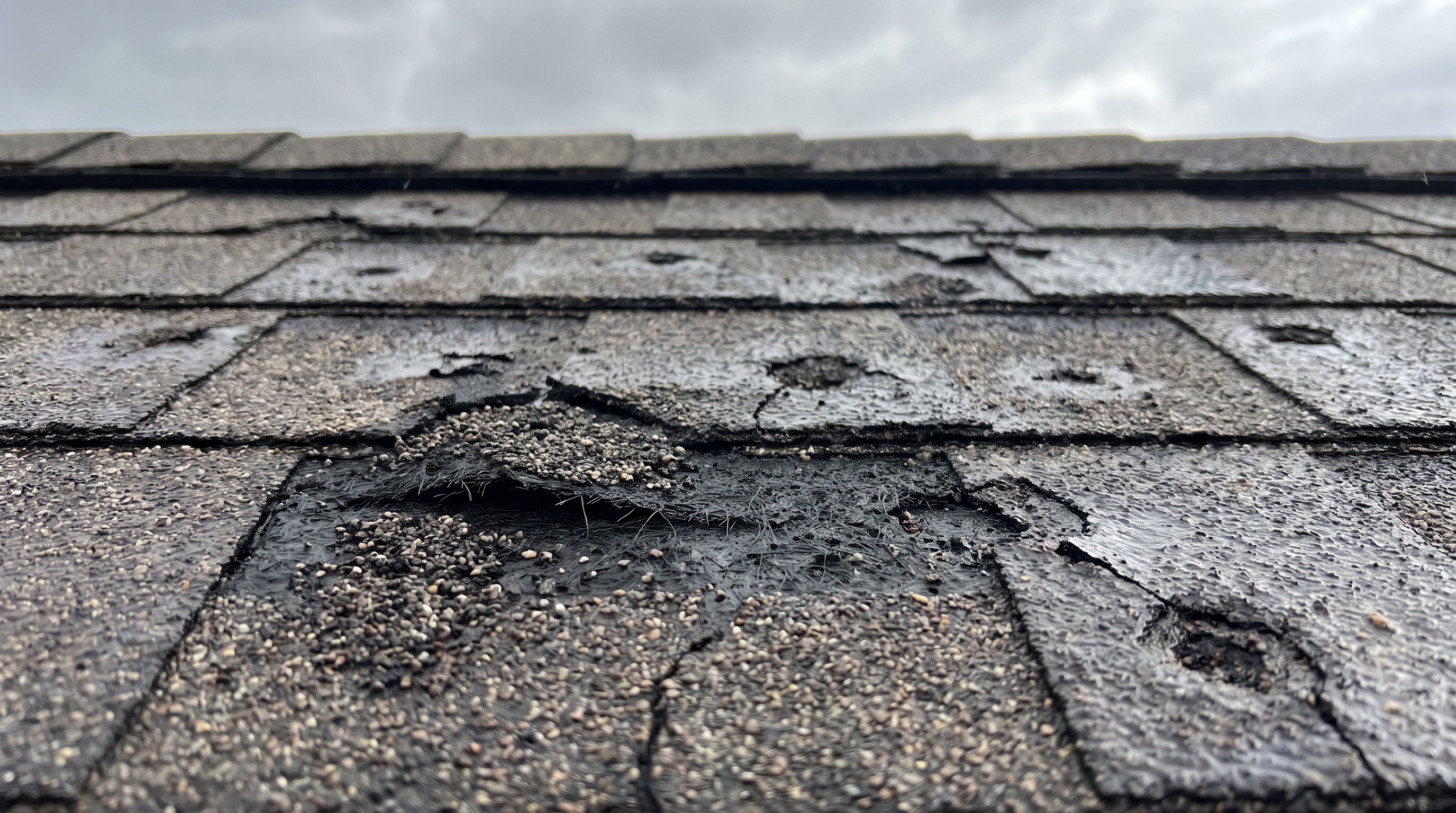
Hail Damage in Wichita: What It Actually Looks Like and When It's Worth a Claim
What hail damage to a Wichita roof actually looks like, when it's worth filing an insurance claim, and how VersaCon helps homeowners through the process.
September 29, 2026

5 Signs Derby, KS Homeowners Should Watch for Before Fall Storm Season
A homeowner's checklist for Derby, KS residents to catch roof, gutter, and siding trouble before fall storms roll through South Central Kansas.
September 23, 2026
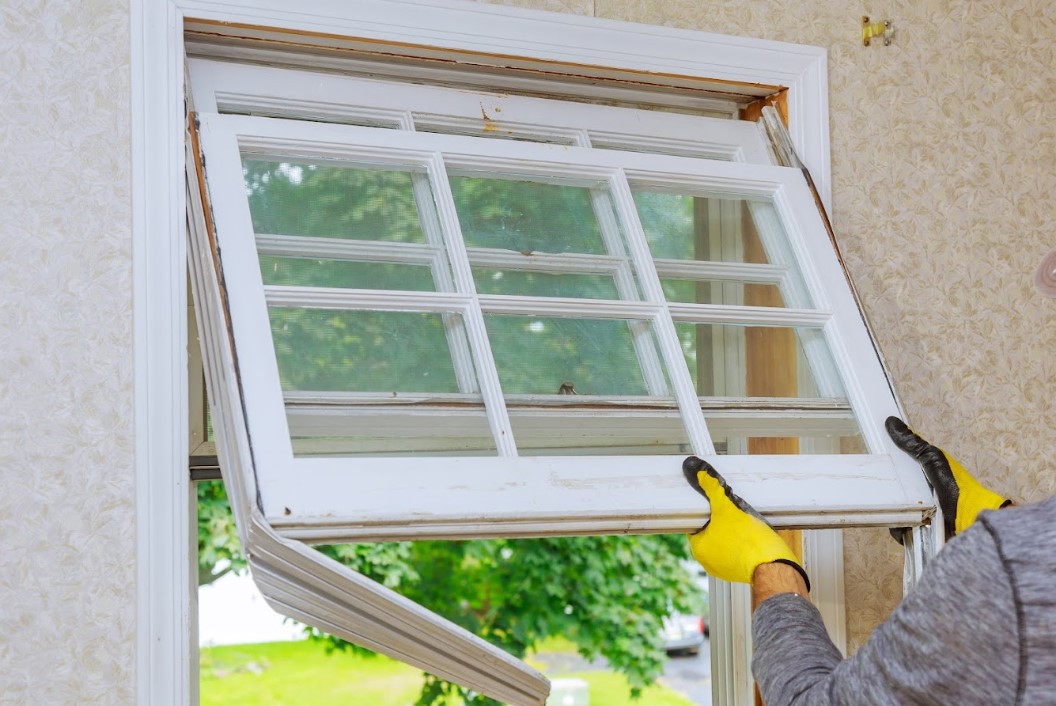
Zero Down, Storm-Ready: Beyond the Shingles: How August Heat Waves Expose Failing Window Seals in South-Central Kansas
August 12, 2026