How the Kansas Freeze–Thaw Cycle Shortens Shingle Lifespan
•
Written By
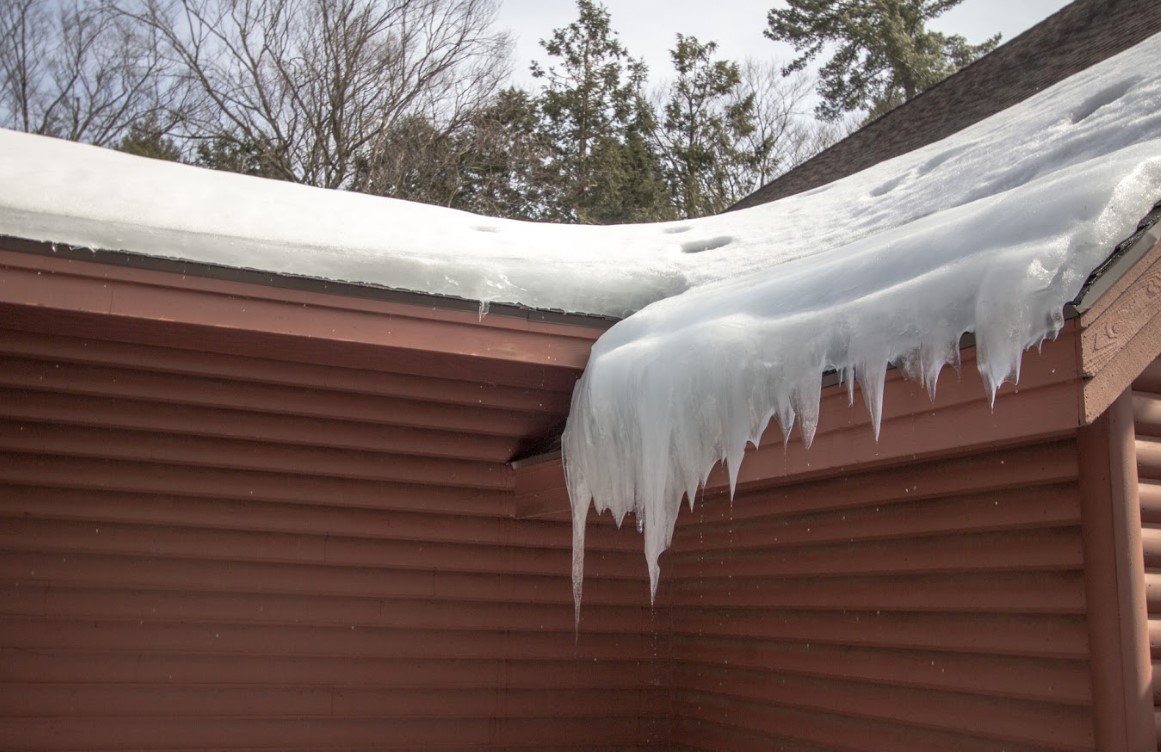
Kansas homeowners know that winter weather doesn’t always arrive quietly. While the state is known for severe storms and high winds, one of the most damaging seasonal patterns is the freeze–thaw cycle. This cycle is especially intense across Sedgwick County and the greater Wichita area, where temperatures commonly fluctuate from below freezing at night to warm and sunny during the day, sometimes within a matter of hours. These rapid temperature changes are most common in late fall, winter, and early spring, creating constant stress on your home’s exterior.
While the freeze–thaw cycle affects many parts of a home, your roof takes the brunt of it. Asphalt shingles, which are popular throughout Kansas, expand and contract repeatedly during these fluctuations. Over time, this constant movement leads to cracks, granule loss, weakened adhesives, and premature aging. Understanding how freeze–thaw cycles shorten shingle lifespan can help Kansas homeowners make better maintenance decisions and choose roofing materials that hold up longer against our regional climate.
At VersaCon Roofing & Construction, we’ve spent over eight years serving Wichita and the surrounding communities, backed by decades of family construction experience in Kansas. We’ve seen firsthand how harsh winters impact roofs, and we’re here to help homeowners protect their investment with the right products, proper installation, and reliable guidance.
How Freeze–Thaw Cycles Damage a Shingle Roof
The freeze–thaw process is simple: moisture gets into tiny cracks or gaps within a roofing system. When temperatures drop below freezing at night, that moisture turns into ice and expands. When the sun comes out and temperatures begin to rise, the ice melts and contracts.
When this happens day after day, sometimes dozens of times in a single month, shingles begin to deteriorate in predictable ways.
1. Cracking and Splitting
As asphalt shingles expand and contract, the material becomes brittle. Small cracks turn into larger fractures, allowing more moisture to enter and repeat the cycle.
2. Granule Loss
Freeze–thaw cycles loosen the protective granules on top of shingles. These granules shield the roof from UV damage, meaning granule loss leads to:
- Faster aging
- Higher roof temperatures
- Reduced shingle lifespan
You’ll often see granules collecting in gutters after winter weather.
3. Curling and Lifting
The adhesive strips under shingles weaken when exposed to moisture and temperature swings. Shingles begin to lift, exposing your roof to wind and water intrusion.
4. Faster Overall Aging
The lifespan of a shingle roof, whether standard asphalt or architectural, is significantly shortened when freeze–thaw stress is constant. A roof expected to last 25–30 years may begin to show major issues much earlier if exposed to repeated freeze–thaw cycles without maintenance.

How Long Should Shingles Last in Kansas?
While exact performance depends on materials, installation, ventilation, and maintenance, here are standard lifespan ranges:
- Asphalt shingles lifespan: 20–25 years
- Architectural shingles lifespan: 25–30+ years
- Impact-resistant asphalt shingles: 30–40 years
However, in Kansas, especially in areas hit by frequent winter temperature swings and storms, these numbers can decrease without proper roof care.
Which Roofing Materials Hold Up Best Against Freeze–Thaw Cycles?
VersaCon Roofing & Construction offers roofing materials designed to withstand Kansas’s unpredictable weather patterns. Some materials naturally perform better against freeze–thaw cycles than others.
1. Impact-Resistant Asphalt Shingles — Most Durable Option Against Freeze–Thaw
Impact-resistant (Class 4) shingles are built with stronger adhesives, reinforced layers, and more resilient asphalt blends.
Benefits include:
- Higher crack resistance
- Better granule adhesion
- Improved flexibility during temperature swings
- Longer lifespan of asphalt shingles lifespan overall
These shingles maintain their integrity better during winter cycles, making them ideal for Kansas homeowners.
2. Architectural Asphalt Shingles — Strong, Stylish, and Weather-Resilient
Architectural shingles have a thicker, laminated construction. They handle expansion and contraction better than basic 3-tab shingles, giving them:
- A longer shingle roof lifespan
- Greater wind resistance
- Better protection against cracking
While not quite as strong as impact-resistant shingles, they perform very well in Kansas winters.
3. Premium Asphalt Shingles — Better Than Standard, but Still Vulnerable to Freeze–Thaw Stress
Premium asphalt shingles offer homeowners enhanced aesthetics, deeper shadow lines, and upgraded durability compared to basic 3-tab shingles. Their thicker construction and higher-quality granules help them perform better in severe weather, including Kansas’s rapid winter temperature swings. However, even premium shingles are still an asphalt-based product, which means they can experience freeze–thaw wear over time.
While stronger than traditional shingles, premium asphalt shingles may still face issues such as:
- Gradual cracking as asphalt stiffens from repeated freezing and warming
- Minor lifting or edge curling if moisture repeatedly works under the shingle layers
- Accelerated granule loss, especially after ice expands within surface imperfections
Premium asphalt shingles do offer longer lifespan, improved impact resistance, and better protection overall — but homeowners should still schedule regular inspections to ensure freeze–thaw cycles aren’t causing early deterioration.
4. Metal Roofing — Nearly Immune to Freeze–Thaw Damage
For homeowners wanting the longest lifespan with minimal winter-weather impact, metal roofing is the top performer.
Metal does not absorb water, crack, or suffer granule loss. It expands and contracts differently, but not in ways that compromise longevity.
VersaCon offers:
- Corrugated metal roofing
- Exposed fastener systems
- Metal shingles
Metal roofing can have a lifespan of around 40–70+ years, making it one of the strongest defenses against Kansas freeze–thaw patterns.
Protecting Your Shingle Roof From Freeze–Thaw Damage
Kansas homeowners can extend the lifespan of their shingles by taking a few proactive steps:
- Schedule annual or seasonal roof inspections
- Clear gutters to prevent ice buildup
- Replace damaged or lifted shingles promptly
- Ensure proper attic ventilation
- Repair flashing and seals before winter storms
Professional maintenance is one of the biggest factors in preserving the lifespan of a shingle roof in Kansas.
VersaCon Roofing & Construction Is Here to Protect Your Home
Freeze–thaw cycles are unavoidable in Kansas, but costly roofing damage doesn’t have to be. At VersaCon Roofing & Construction, we specialize in helping homeowners understand their roof’s condition, choose materials that withstand Kansas winters, and prevent early roof failure through expert installation and maintenance.
Whether you need shingle roof repairs, a full replacement, or an inspection before winter, our Wichita-based team has your back from start to finish.
Contact VersaCon Roofing & Construction today for a free inspection and personalized recommendation.