For many homeowners in Kansas, monthly energy bills can fluctuate just as wildly as the weather. Hot summers, cold winters, and strong winds all put pressure on heating and cooling systems. One question we hear often at VersaCon Roofing & Construction is whether upgrading exterior materials can truly make a difference, and more specifically, how much homeowners can realistically save each month with energy-efficient siding and roofing.
While exact savings vary by home, construction type, and usage habits, energy-efficient exterior upgrades can play a meaningful role in improving comfort, stabilizing indoor temperatures, and reducing unnecessary energy loss year-round.
Why Your Home’s Exterior Impacts Energy Bills
Your roof and siding form the outer envelope of your home. When these materials are outdated, damaged, or poorly insulated, heated or cooled air can escape more easily. That means your HVAC system has to work a lot harder to maintain a comfortable indoor temperature.
Energy-efficient siding and roofing help slow that energy transfer. In a climate like Kansas, where seasonal temperature swings are common, these improvements can translate into noticeable monthly savings and more consistent indoor comfort.
Is Vinyl Siding Energy Efficient?
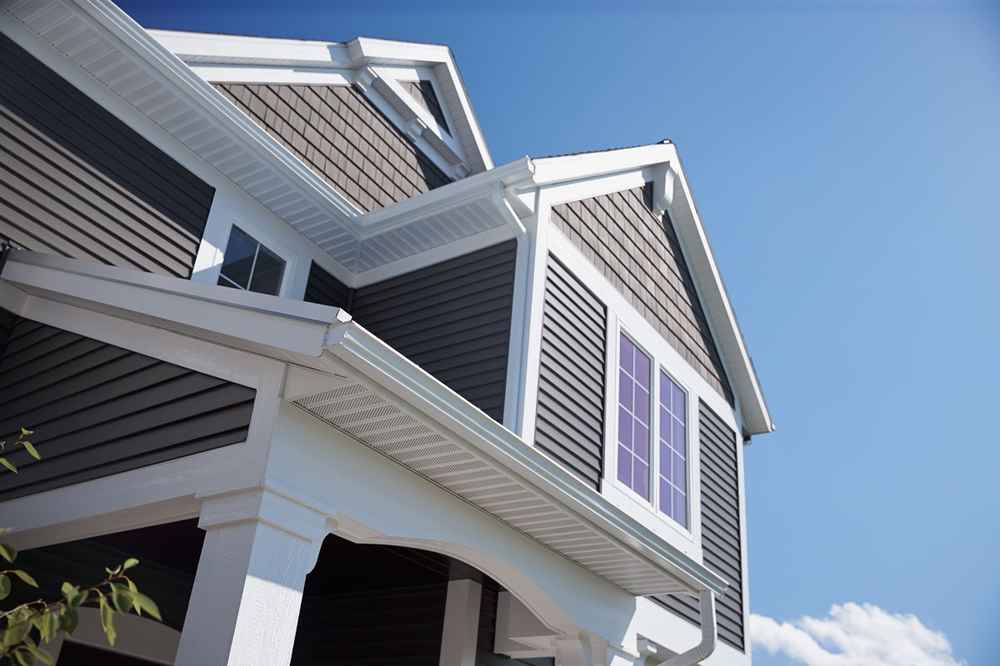
Vinyl siding is one of the most popular exterior materials in Kansas, and for good reason. On its own, standard vinyl siding primarily acts as a protective shell rather than insulation. However, when paired with proper underlayment or when upgraded to insulated vinyl siding, its energy performance improves significantly.
Insulated vinyl siding includes a layer of rigid foam backing that helps:
- Reduce air infiltration
- Improve the wall insulation value
- Minimize drafts and cold spots
- Support more consistent indoor temperatures
For homeowners wondering “is vinyl siding energy efficient?”—the answer is yes, especially when insulation is part of the system. Many Kansas homeowners see modest but steady reductions in heating and cooling costs after upgrading from older siding materials.
What Is the Most Energy-Efficient Siding?
There isn’t a one-size-fits-all answer, but several siding options stand out for their energy efficiency when properly installed.
Vinyl Siding (With Insulation)
Insulated vinyl siding is often considered one of the most energy-efficient siding options for cost-to-performance balance. It helps reduce thermal bridging and supports overall siding energy efficiency without dramatically changing the home’s appearance.
LP® SmartSide®
Engineered wood siding like LP SmartSide offers durability and can contribute to energy efficiency when installed with quality house wrap and insulation systems. It performs well in Kansas conditions where temperature and moisture shifts are common.
Metal Siding
Metal siding reflects radiant heat, which can be beneficial during hot summers. When combined with proper insulation, it can help reduce cooling demands while maintaining long-term durability.
Each of these materials can be part of the most energy-efficient siding setup when installation quality and insulation are addressed correctly.
How Energy-Efficient Roofing Helps Lower Monthly Costs
Roofing plays an equally important role in energy performance. Older roofs often lack modern ventilation standards or reflective properties, allowing heat to build up in attic spaces during summer and escape too easily during winter.
VersaCon Roofing & Construction installs asphalt shingles, including architectural, premium, and impact-resistant options, as well as metal roofing systems. While materials vary, energy efficiency improvements often come from:
- Proper attic ventilation
- Updated underlayment systems
- Improved sealing and installation practices
Metal roofing, in particular, reflects more solar radiation than traditional materials, which can reduce attic heat buildup during Kansas summers. Asphalt shingles with updated installation techniques can also support energy efficiency by improving airflow and reducing thermal stress on the home.
How Much Can You Save Each Month?
Monthly savings depend on several factors:
- Size and layout of the home
- Age and condition of existing siding and roofing
- Insulation levels
- Local energy rates
- Seasonal usage patterns
While VersaCon avoids overstated claims, many homeowners experience gradual savings that add up over time. It’s not uncommon for energy-efficient siding and roofing upgrades to contribute to lower heating and cooling costs each month, along with reduced strain on HVAC systems.
Beyond direct savings, homeowners often notice:
- Fewer temperature fluctuations
- Improved indoor comfort
- Reduced drafts
- Quieter interiors during storms and high winds
Energy Efficiency Goes Beyond the Materials
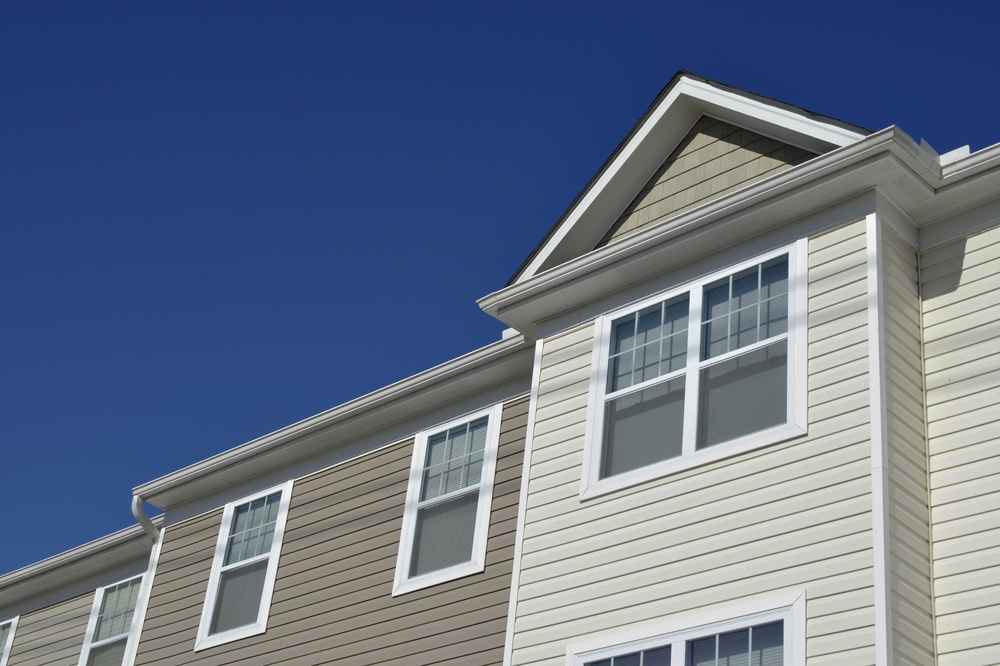
It’s important to remember that siding energy efficiency isn’t just about the product; it’s about the system. Proper installation, sealing, and integration with your roof, gutters, and ventilation all matter.
At VersaCon Roofing & Construction, we focus on complete exterior systems rather than isolated upgrades. That means evaluating how siding, roofing, and gutter systems work together to protect your home and support long-term efficiency.
A Practical Investment for Kansas Homeowners
For homeowners in the Wichita area, energy-efficient siding and roofing upgrades offer both immediate comfort improvements and long-term value. While monthly savings vary, the combination of reduced energy loss, improved durability, and better protection against Kansas weather makes these upgrades a practical investment.
If you’re considering exterior improvements and want honest guidance on what makes sense for your home, VersaCon Roofing & Construction is here to help. Our experienced, local team takes a straightforward approach, helping residents understand their options and make informed decisions that support comfort, efficiency, and peace of mind for years to come.